
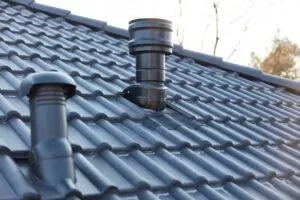
Understanding Roof Ventilation for Energy Efficiency
In today's world, energy efficiency is a top priority for homeowners. One often overlooked aspect of home improvement is roof ventilation. Proper roof ventilation plays a crucial role in maintaining a comfortable indoor environment while also reducing energy costs. In this article, we will explore what roof ventilation is, why it is important, and how you can enhance your home’s energy efficiency through proper ventilation.
What is Roof Ventilation?
Roof ventilation refers to the process of allowing air to circulate through your attic space and roof system. This circulation helps regulate temperature and moisture levels, which can significantly impact your home's overall efficiency and lifespan.
Types of Roof Ventilation
- Static Ventilation: Uses vents that do not have moving parts, allowing air to flow naturally.
- Powered Ventilation: Utilizes fans to actively move air in and out of the attic.
- Ridge Vents: Installed along the roof peak, allowing warm air to escape from the attic.
- Soffit Vents: Located under the eaves, these vents allow cooler air to enter the attic.
Why is Roof Ventilation Important?
Proper roof ventilation is vital for several reasons:
- Prevents Heat Build-Up: Effective ventilation helps reduce heat accumulation in the attic, lowering cooling costs in the summer.
- Reduces Moisture: Good airflow minimizes moisture buildup, preventing mold and mildew growth.
- Extends Roof Lifespan: By regulating temperature and moisture, roof ventilation can extend the life of roofing materials.
- Improves Indoor Air Quality: Proper ventilation contributes to better air quality by reducing humidity levels.
How Roof Ventilation Affects Energy Efficiency
A well-ventilated roof can significantly enhance your home's energy efficiency. Here are some key benefits:
- Lower Energy Bills: With reduced heat buildup, your air conditioning system will work more efficiently, leading to lower energy bills.
- Comfortable Living Spaces: Proper ventilation maintains consistent indoor temperatures, improving comfort throughout the home.
- Increased HVAC Efficiency: A well-ventilated roof allows your HVAC system to operate more effectively, prolonging its lifespan.
Signs of Poor Roof Ventilation
It's essential to recognize the signs of poor roof ventilation to take timely action:
- Excessive heat in the attic during summer months.
- Visible mold or mildew growth in the attic.
- Ice dams forming on the roof during winter.
- Increased humidity levels in living spaces.
Improving Roof Ventilation
If you suspect your home suffers from inadequate roof ventilation, consider the following solutions:
- Install additional vents: Adding ridge or soffit vents can enhance airflow.
- Use powered ventilators: In areas with extreme temperatures, powered options can provide additional airflow.
- Ensure vents are not blocked: Regularly check for obstructions caused by insulation or debris.
Professional Assessment
Consulting with a professional roofing contractor can provide insights tailored to your home’s specific needs. They can assess your current ventilation system and recommend improvements to boost energy efficiency.
Conclusion
In conclusion, roof ventilation is a critical component of home energy efficiency. By understanding its importance and taking steps to improve it, homeowners can enjoy reduced energy costs, enhanced comfort, and prolonged roof lifespan. Don’t underestimate the power of proper ventilation—consider an assessment today to ensure your home is performing at its best.