
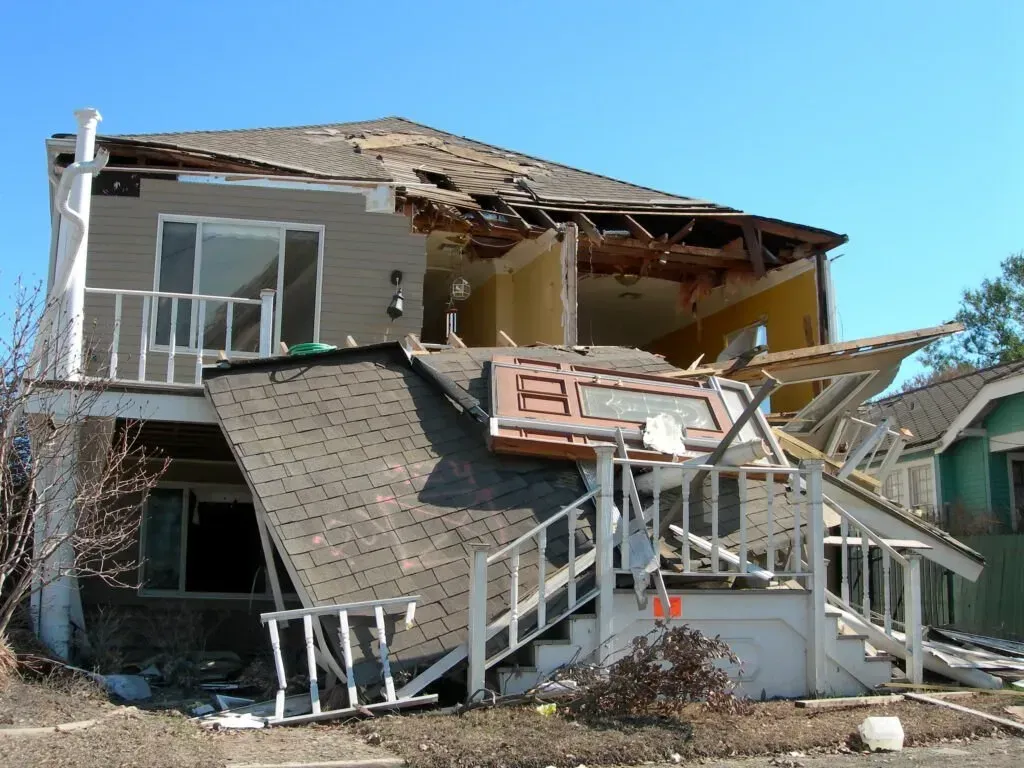
Emergency Roof Repair: What You Need to Know
When disaster strikes, your roof can suffer unexpected damage, leading to significant concerns for your home. Whether it's from severe weather, falling debris, or age-related wear and tear, knowing how to handle emergency roof repairs is crucial. This guide will provide you with essential information on identifying roof damage, quick fixes, and when to call in the professionals.
Understanding Roof Damage
Recognizing the signs of roof damage is the first step toward ensuring your home remains safe and dry. Common indicators include:
- Missing or damaged shingles
- Leaks or water stains on ceilings and walls
- Sagging roof deck
- Cracked or warped roofing materials
- Visible wear and tear on flashing
Immediate Actions for Emergency Roof Repair
If you discover roof damage, taking immediate action can help mitigate further issues. Here are some quick fixes you can perform:
- Clear debris: Remove any branches or debris that could cause further damage.
- Cover leaks: Use a tarp to cover any leaks temporarily until professional help can be obtained.
- Seal minor gaps: Apply roofing sealant to small cracks or holes to prevent water intrusion.
- Inspect gutters: Ensure gutters are clear to facilitate proper drainage and avoid pooling water.
When to Call a Professional
While some repairs can be handled DIY, certain situations require the expertise of a professional roofing contractor. Consider contacting Reed Roofing or another reputable roofing service when:
- The damage is extensive (multiple missing shingles or large leaks)
- The roof is sagging or showing structural weaknesses
- You are uncomfortable or unsure about making repairs yourself
- You have a flat or complicated roof design that requires specialized knowledge
The Importance of Timely Roof Repairs
Addressing roof damage promptly can save homeowners money and stress in the long run. Delaying repairs can lead to:
- Increased repair costs due to further damage
- Potential for mold and mildew growth inside the home
- Decreased property value
- Safety hazards for occupants and visitors
Preventive Measures for Your Roof
To minimize the risk of emergency roof repairs, consider implementing preventive measures, such as:
- Regular inspections: Schedule professional roof inspections at least once a year.
- Maintain gutters: Clean gutters and downspouts regularly to prevent water buildup.
- Trim overhanging branches: Keep trees trimmed to avoid potential damage from falling limbs.
- Invest in quality materials: Use high-quality roofing materials that offer durability and resistance to weather.
Conclusion
Emergency roof repair can be daunting, but knowing what to do can make the process smoother. By understanding the signs of roof damage, taking quick actions, and recognizing when to call a professional, you can protect your home effectively. Remember, timely repairs can save you money and prevent further complications down the line. For reliable roofing solutions, consider reaching out to Reed Roofing for expert assistance.